 |
A Simple Guide to Guatemalan Spanish: An Introduction to the Language and Culture of Guatemala (Audiobook)
This guide provides an overview of the the Guatemalan language and culture. The audio course covers key vocabulary for use in Guatemala including commonly used words and phrases such as greetings, questions, numbers, and colors as well as many other topics. In addition, the sessions include an overview of Guatemalan expressions, slang and cultural terms that differ from more broadly used Spanish. Courses are arranged across ten sessions, starting with basic material and then introducing more complex vocabulary and reviews of prior material later in the course. This is an ideal way to prepare to communicate and understand the culture for an upcoming trip to Guatemala or spending time with Guatemalan relatives. |

An Overview of Guatemalan Spanish
Native speakers: 16 million.
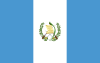
Guatemalan Spanish is the national variant of Spanish spoken in the Central American country of Guatemala. It includes the use of the second-person singular personal pronoun vos alongside the standard Spanish second-person singular pronouns tú and usted to form a three-level system of second-person singular address.
A number of words widely used in Guatemala have Mayan or other native origins, in particular names for flora, fauna and toponyms. Some of these words are used in most Spanish-speaking countries, like chocolate and aguacate ("avocado"), and some are only used in Mexico and most Central American countries, like Guatemala and El Salvador.
There are also many words unique to Central America, for example, chunche or chochadas or babosadas means "thing" or stuff in some places. The words used to describe children (or kids) vary among the countries in Central America; in Guatemala they are often called patojos. Cipotes is also used in Guatemala in the eastern departments. In the western and northern departments of Guatemala "chamacos" is used to say children or kids. In Guatemala and Honduras the word güiros is also used. In Guatemala (also in Honduras and El Salvador) people with money are said to have pisto, a term originally used by Maya peoples in Guatemala.
Source: Wikipedia
Guatemalan Spanish is the national variant of Spanish spoken in the Central American country of Guatemala. It includes the use of the second-person singular personal pronoun vos alongside the standard Spanish second-person singular pronouns tú and usted to form a three-level system of second-person singular address.
A number of words widely used in Guatemala have Mayan or other native origins, in particular names for flora, fauna and toponyms. Some of these words are used in most Spanish-speaking countries, like chocolate and aguacate ("avocado"), and some are only used in Mexico and most Central American countries, like Guatemala and El Salvador.
There are also many words unique to Central America, for example, chunche or chochadas or babosadas means "thing" or stuff in some places. The words used to describe children (or kids) vary among the countries in Central America; in Guatemala they are often called patojos. Cipotes is also used in Guatemala in the eastern departments. In the western and northern departments of Guatemala "chamacos" is used to say children or kids. In Guatemala and Honduras the word güiros is also used. In Guatemala (also in Honduras and El Salvador) people with money are said to have pisto, a term originally used by Maya peoples in Guatemala.
Source: Wikipedia

Guatemalan Spanish Learning Books
 |
Guatemalan Spanish: Speak like a Native!
Don’t settle for generic Spanish! Put away the stale phrasebooks and learn to speak just like the natives! Join us as we explore the most common expressions used in the “Land of Eternal Spring.” What is a mish? Is it different from a chucho? What if you ask someone how he’s doing and the response is “Dos que tres.” Why the numbers? Find out the real meaning behind the words. You’ll save money at the market and even make new friends. Start learning Spanish… one country at a time. |
 |
Guatemalan Spanish Phrasebook: Ideal for Traveling throughout Guatemala
A detailed and concise Guatemalan Spanish phrasebook which includes an extensive grammar section, a categorized dictionary and a daily useful phrases section. This book is the perfect tool to utilize while traveling in the rural regions of Guatemala. |
Guatemalan Spanish Language Courses
|
1-on-1 Spanish tutoring at italki
One-on-one language tutoring at italki is hands down the most efficient way to reach language fluency. That's why it is the most popular platform today for learning a language online. You can practice conversational skills under different real-world scenarios with a native speaker tutor of your choice who provides you with undivided attention and customized lessons that cater to your learning needs and interests. Whether you’re at home, at the airport, or at your local park, you have complete access to learning Guatemalan Spanish or any other language you want with a native speaker from any country of your choice. SPECIAL OFFER: Get $10 italki credits by joining via this link. |
|
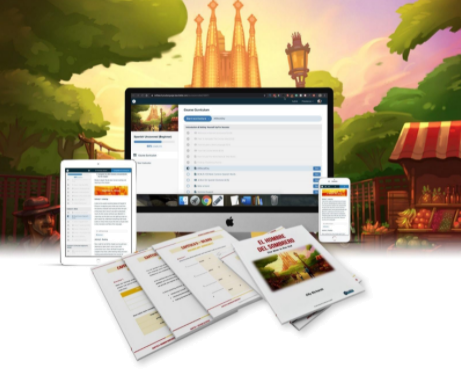
Spanish Uncovered: The World’s First StoryLearning Spanish Home Study Course
This new, science-based language learning method was invented by polyglot language expert Olly Richards, who has authored more than a dozen best-selling language books available in bookstores around the world and on Amazon.com. This was the method he used to learn eight languages, and is the exact same method he has been using to help thousands of students learn Spanish. The course comes in both Castilian and Latin American versions, which means that it works for you whatever variety of Spanish you're learning. Find out more! |

|
Baselang's Real World 1-on-1 Spanish tutoring
This top-rated program offers UNLIMITED 1-on-1 Spanish tutoring where you can take as many online Spanish classes as you want, on a daily basis if you wish, with their professional teachers from all around Latin America for a monthly flat rate. Baselang's classes are specifically tailored to your level, from zero to advanced. Don't miss this amazing opportunity! |
|
Preply
Preply is a global online language learning platform designed to promote faster learning with one-on-one online tutors. It connects language tutors with millions of learners from all over the world. You can choose from thousands of Spanish teachers from any country of your choice available in the platform. Book a lesson with a private Spanish teacher today and start learning. Not entirely happy with your tutor? No worries, Preply offers free tutor replacement till you're 100% satisfied. |

|
Maximo Nivel Spanish School in Antigua, Guatemala
Guatemala is the least expensive place in the world to learn Spanish. This beautiful country still has a developing economy and the cost of living and services like Spanish classes are cheap! Maximo Nivel combines the great affordability of Guatemala with a high quality, professional language institute. Your Spanish immersion program stays true to the small, local appeal of studying in an historic town like Antigua, while Maximo Nivel brings the organization, client service, and accredited Spanish curriculum to make sure your program is nothing short of excellent. |
Guatemalan Spanish Learning Podcasts

|
Podcast on Guatemala by Lengalia
Listen to native speakers from Guatemala telling interesting facts about their country, culture and language in Guatemalan Spanish accent. |
Guatemalan Spanish Learning Blogs

|
22 Most Used Guatemalan Slang Terms You Will Hear From A Local
An excellent blog article on Guatemalan Spanish slang by Baselang. With Baselang's UNLIMITED 1-on-1 online Spanish tutoring you can take as many online Spanish classes as you want with their professional teachers for a monthly flat rate. Don't miss the opportunity! |

|
Be the Talk of the Town with These 12 Guatemalan Slang Words and Phrases
A great blog article on Guatemalan Spanish slang by FluentU. |
|
Guatemalan Slang Terms
An awesome blog article on Guatemalan Spanish slang by Live Lingua. |
1-on-1 Guatemalan Spanish Lessons at italki
|
italki is the most flexible and affordable language learning platform that connects students with the most dedicated teachers around the world for 1-on-1 online language tutoring through video chat. At italki, you can choose an experienced Guatemalan Spanish teacher for your personal tutor based on your goals and interests.
Here is a step-by-step instruction to find a native Guatemalan Spanish teacher at italki:
Good luck and enjoy your lesson! |
 |
Home | About | Contact Us | Disclosure | Privacy Policy
This page contains affiliate links. For more information, see our disclosure page.
Copyright © 2024 LearnLatinAmericanSpanish.com
This page contains affiliate links. For more information, see our disclosure page.
Copyright © 2024 LearnLatinAmericanSpanish.com
